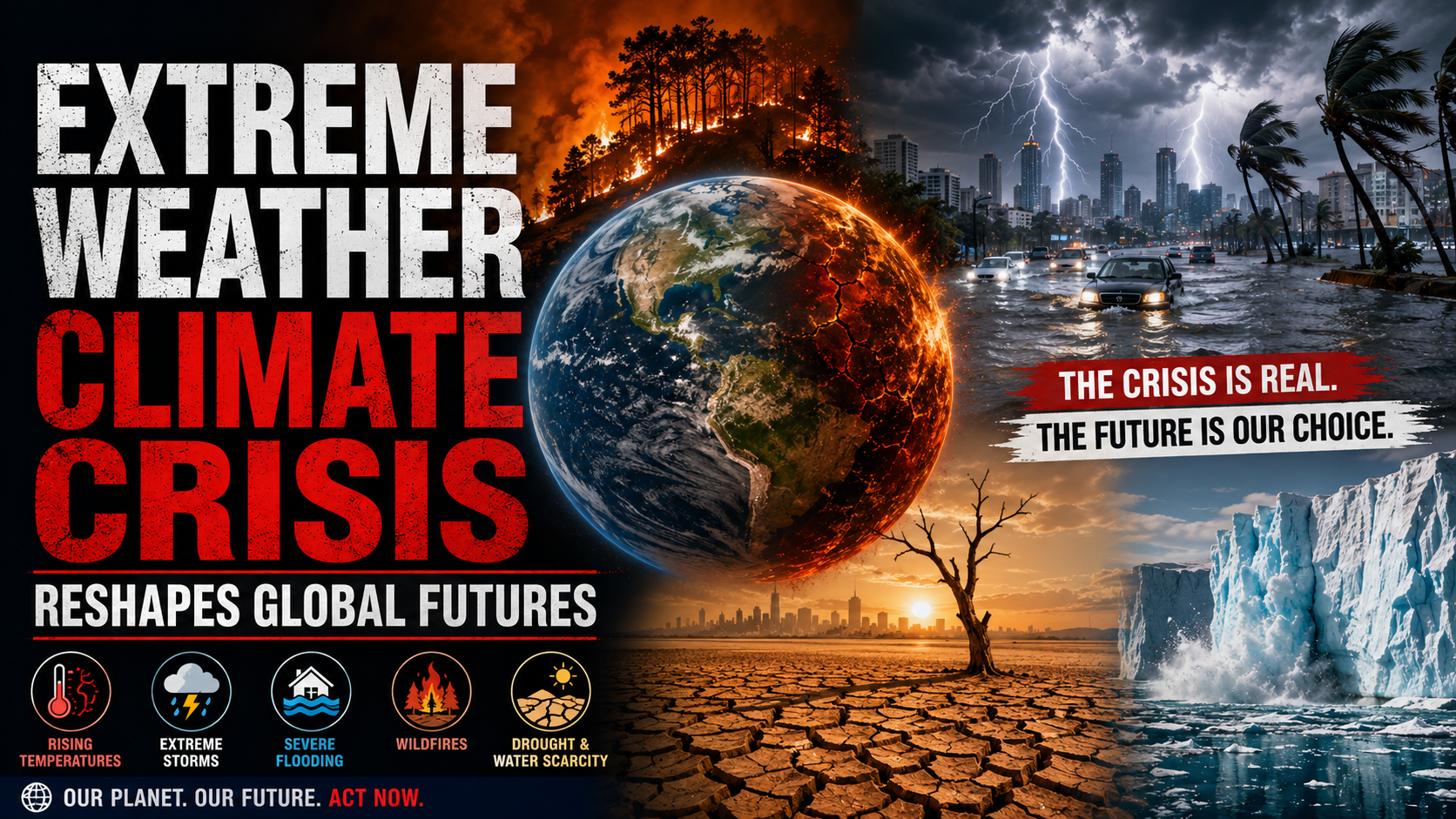
The Extreme Weather Climate crisis is fundamentally reshaping global futures. It drives unprecedented challenges across every continent and sector. From intensifying heatwaves to more frequent and severe storms, the planet's atmospheric systems are undergoing rapid transformation. This forces communities, economies, and ecosystems to grapple with a new reality defined by volatility and disruption. Understanding the multifaceted dimensions of this crisis is crucial. It helps navigate the complex path ahead in 2026 and beyond. Keep Extreme Weather Climate in mind as you plan each stop on this trip.
The Unmistakable Link: Extreme Weather and the Climate Crisis: Extreme Weather Climate Tips
The increasing intensity and frequency of extreme weather climate events are not isolated occurrences. They are direct manifestations of a warming planet. Scientific research, bolstered by decades of data collection and advanced modeling, has established an undeniable link. This link exists between human-induced greenhouse gas emissions and the observed shifts in global weather patterns. Moreover, this connection is becoming clearer with each passing year. The planet's delicate atmospheric balance is being disrupted. Scientists now possess sophisticated tools to analyze these complex interactions.
Scientific Consensus on Intensification
The Intergovernmental Panel on Climate Change (IPCC) is the leading international body for assessing climate change. It has consistently highlighted the escalating nature of extreme weather. Its Sixth Assessment Report (AR6), published in stages between 2021 and 2023, unequivocally states that human influence has warmed the atmosphere, ocean, and land. This warming leads to widespread and rapid changes. These changes include increases in the frequency and intensity of hot extremes, marine heatwaves, and heavy precipitation. Furthermore, agricultural and ecological droughts are increasing in some regions. Intense tropical cyclones are also becoming more common. The report projects that even under optimistic emissions scenarios, the global average temperature will continue to rise. This will further exacerbate these alarming trends. The scientific community speaks with a unified voice on this critical issue. Their findings provide a robust foundation for understanding the climate crisis.
Attribution Science: Connecting Events to Climate Change
Attribution science is a specialized field within climate research. It allows scientists to determine the extent to which human-caused climate change influences specific extreme weather events. While no single event can be solely attributed to climate change, studies consistently show that global warming significantly increases the probability and severity of many events. For instance:
- Heatwaves: Research indicated that the unprecedented 2021 heatwave in the Pacific Northwest of North America would have been "virtually impossible" without human-induced climate change. Temperatures soared above 49°C (120°F) in some areas. Similar studies linked the prolonged heatwaves across Europe in 2022 and 2023 to global warming effects. These events led to widespread wildfires and excess deaths. Such events now occur with alarming regularity. They pose serious public health threats.
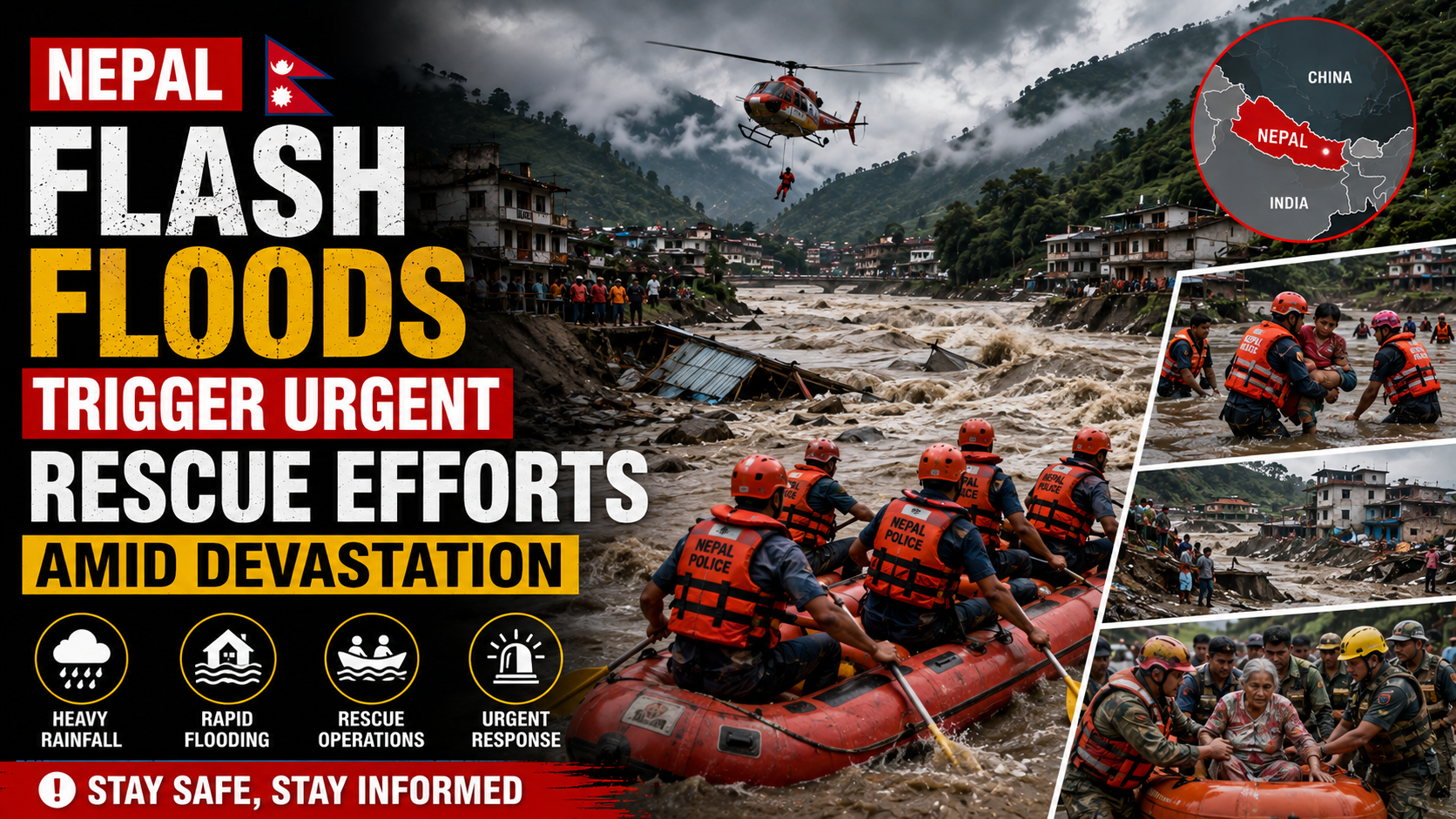
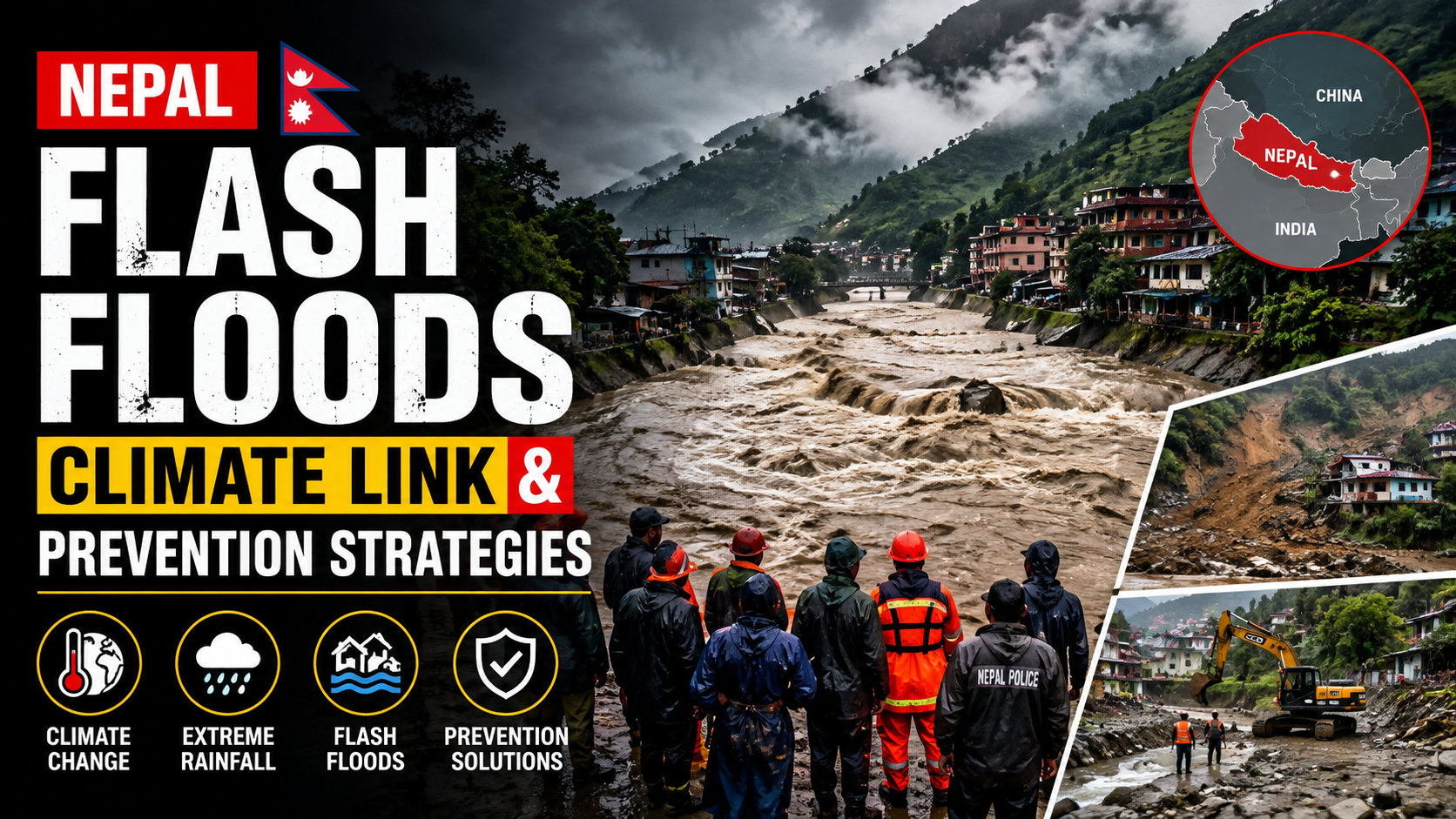
- Heavy Rainfall and Flooding: The catastrophic 2022 floods in Pakistan submerged a third of the country. They affected over 33 million people. Scientists found these floods were made 50% more intense by climate change. Similarly, heavy rainfall events in Germany and Belgium in 2021 caused widespread destruction. These events were deemed more likely and severe due to altered atmospheric moisture content from warmer temperatures. For more on specific regional impacts, consider reading about Nepal Flash Floods: Climate Link & Prevention Strategies. These studies provide crucial insights for disaster preparedness.
- Tropical Cyclones: While the total number of tropical cyclones may not increase, the proportion of intense (Category 4 and 5) storms is projected to rise. Warmer ocean waters provide more energy for these systems. The rapid intensification of hurricanes like Hurricane Ian in 2022, which devastated parts of Florida, is consistent with these global warming effects predictions. These storms bring immense destructive power. They threaten coastal communities and infrastructure.
These examples underscore how the scientific community is increasingly able to connect the dots. They link the broader phenomenon of climate change to the individual natural disaster frequency that impacts communities worldwide. This clearer understanding is vital for informed action. Many travelers search for Extreme Weather Climate before booking, and for good reason. They seek to understand potential risks. This knowledge empowers better decision-making.
Economic Fallout: Global Costs of the Extreme Weather Climate
The financial toll of extreme weather climate events is staggering and growing. It places immense strain on national budgets, international aid organizations, and the global economy. These costs encompass immediate emergency responses, long-term reconstruction efforts, and indirect losses from disrupted economic activity. The cumulative impact slows economic growth and exacerbates poverty. Entire regions can struggle to recover. The financial burden extends far beyond immediate damages.
Infrastructure Damage and Reconstruction
Extreme weather events routinely devastate critical infrastructure. This includes transportation networks, energy grids, housing, and public buildings. In 2022, Hurricane Ian caused an estimated $113 billion in damages in the United States. This primarily affected homes and infrastructure in Florida. Globally, rebuilding efforts after major floods, wildfires, and storms can stretch over years. This diverts resources from other essential development projects. The World Bank estimates that infrastructure losses alone can amount to several percentage points of a nation's GDP in the aftermath of severe events. Small island developing states are particularly vulnerable to this outsized impact. They often lack the resources for rapid recovery. Reconstruction costs soar annually. This creates a perpetual cycle of damage and repair.
Impact on Industries: Agriculture, Tourism, Insurance
The ripple effects of natural disaster frequency extend across multiple economic sectors:
- Agriculture: Droughts, floods, and extreme heat directly impact crop yields and livestock. The 2023 drought in the Horn of Africa, for example, decimated harvests and livestock. This exacerbated food insecurity for millions. Global food prices are highly sensitive to such events. This leads to increased volatility and economic instability. Food supply chains become fragile. Farmers face unprecedented challenges.
- Tourism: Coastal erosion, coral bleaching, and extreme temperatures threaten popular tourist destinations. Resorts in regions prone to hurricanes face repeated damage and declining visitor numbers. Destinations experiencing prolonged heatwaves or water scarcity become less attractive. This significantly impacts local economies reliant on tourism revenue. Furthermore, the destruction of natural attractions, like coral reefs, diminishes their appeal permanently. Travelers adjust their plans accordingly.
- Insurance: The frequency and severity of extreme weather events have led to record-breaking insurance payouts. In 2022, global economic losses from natural catastrophes were estimated at $275 billion, with insured losses reaching $125 billion, according to Swiss Re. This trend is driving up premiums. It also reduces coverage availability in high-risk areas. This challenges the long-term viability of some insurance markets. Many insurers are withdrawing from vulnerable regions entirely. This leaves homeowners and businesses exposed. The financial safety net is shrinking.
| Extreme Weather Event | Primary Economic Impact | Affected Industries | Examples (2021-2023) |
|---|---|---|---|
| Heatwaves | Productivity loss, health costs, energy demand | Agriculture, Health, Energy, Tourism | Europe (2022, 2023), India (2022), China (2022) |
| Floods | Infrastructure damage, crop loss, displacement | Construction, Agriculture, Insurance, Real Estate | Pakistan (2022), Germany/Belgium (2021), Australia (2022) |
| Droughts | Crop failure, water scarcity, energy shortages | Agriculture, Food & Beverage, Energy, Manufacturing | Horn of Africa (2023), Southwest US (ongoing), Argentina (2023) |
| Tropical Storms | Widespread destruction, business interruption | Insurance, Tourism, Shipping, Fisheries | Hurricane Ian (US, 2022), Typhoon Rai (Philippines, 2021) |
| Wildfires | Property destruction, air quality, tourism | Forestry, Insurance, Tourism, Health | Canada (2023), Greece (2023), California (ongoing) |
Vulnerability Hotspots: Regions on the Frontline of Extreme Weather Climate Shifts
While the extreme weather climate crisis is a global phenomenon, its impacts are not evenly distributed. Certain regions and populations face disproportionately higher risks. This is due to geographical factors, socio-economic conditions, and pre-existing vulnerabilities. These areas often have limited capacity to adapt or recover. This creates a cycle of hardship. Understanding these hotspots is crucial for targeted aid and adaptation strategies.
Small Island Developing States and Coastal Communities
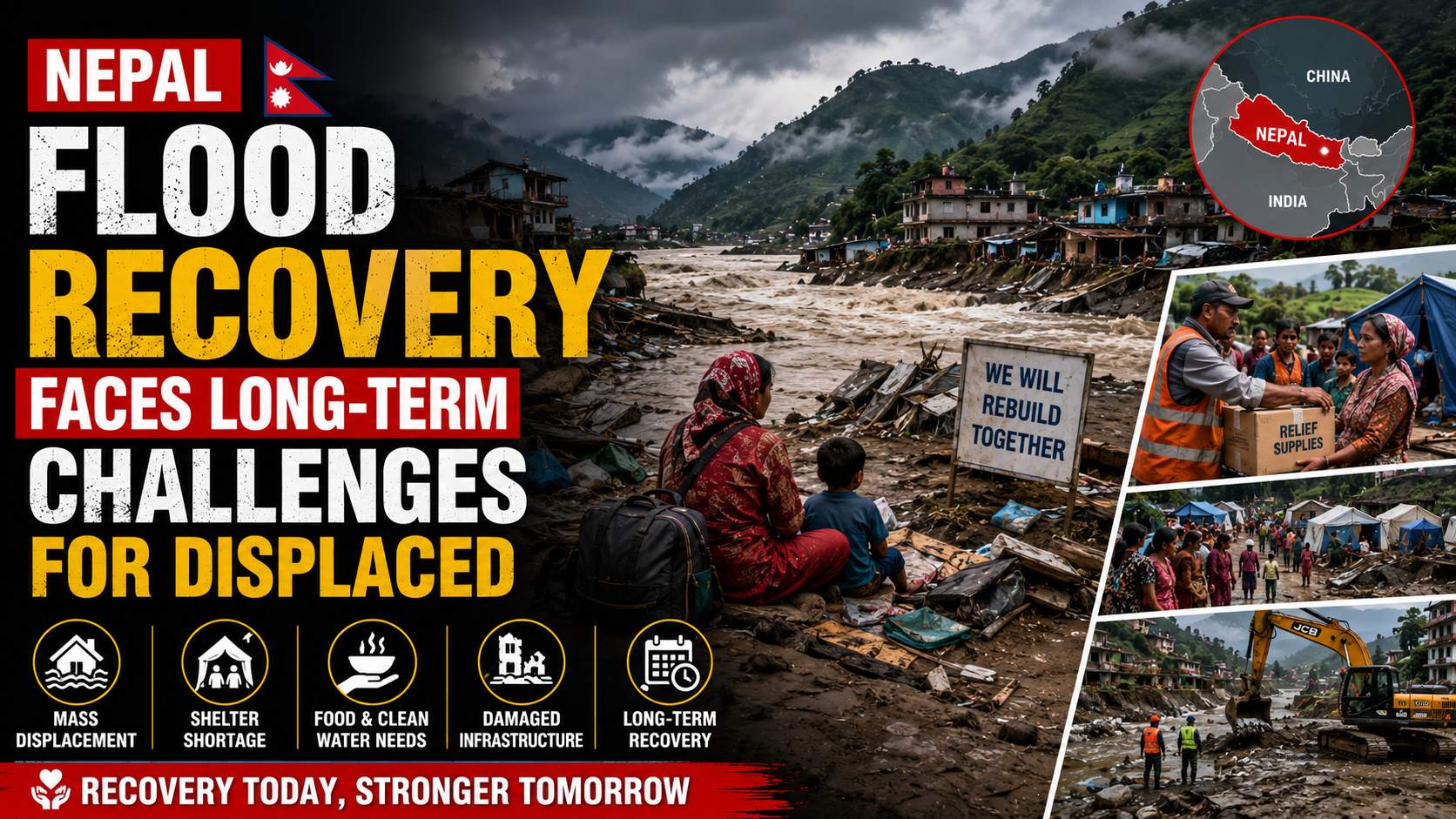
Small Island Developing States (SIDS) like the Maldives, Tuvalu, and various Caribbean nations are among the most vulnerable. They face existential threats from rising sea levels. This contaminates freshwater supplies, erodes coastlines, and increases the severity of storm surges. A Category 5 hurricane can wipe out a significant portion of a SIDS's annual GDP in a single event. Similarly, densely populated coastal communities worldwide, such as those in Bangladesh, Vietnam, and parts of Florida, are increasingly exposed to flooding and saline intrusion. This displaces millions and threatens livelihoods. The IPCC's AR6 projects that nearly a billion people in low-lying coastal zones will be at risk from sea-level rise by mid-century. Many will face forced relocation. For communities impacted by such events, recovery is a long and arduous process, as seen in Nepal Flood Recovery Faces Long-Term Challenges for Displaced. These communities require urgent international support.
Arid Zones and Water Scarcity
Arid and semi-arid regions, including the Sahel belt in Africa, parts of the Middle East, Central Asia, and the American Southwest, are experiencing more prolonged and intense droughts. These conditions exacerbate water scarcity. This leads to crop failures, livestock deaths, and increased competition for dwindling resources. The resulting food insecurity and resource conflicts can trigger internal displacement and migration. This contributes to regional instability. Projections for 2026 and beyond indicate continued desertification and expansion of arid zones. This will further stress these already fragile environments. Water management becomes a critical challenge. Communities struggle to find sustainable solutions. Innovative water conservation methods are desperately needed.
Urban Centers and Heat Stress
Globally, urban centers are becoming significant hotspots for heat stress. This is due to the "urban heat island" effect. Concrete and asphalt absorb and re-emit solar radiation. This raises temperatures significantly higher than surrounding rural areas. This phenomenon, combined with more frequent and intense heatwaves, poses severe health risks. It particularly affects vulnerable populations such as the elderly, young children, and outdoor workers. Cities like Phoenix, Arizona; Delhi, India; and Seville, Spain, have recorded dangerously high temperatures. This leads to increased hospitalizations and mortality. By 2026, many major cities are anticipated to face even more challenging conditions. This necessitates urgent adaptation measures, including green infrastructure and cooling centers. Urban planners must prioritize heat mitigation strategies. Whether you're a first-timer or returning, Extreme Weather Climate remains a smart thing to research.
Future Forecast: Predicted Extreme Weather Trends
The scientific community, primarily through the IPCC, provides critical projections for future extreme weather climate trends. These offer a glimpse into the challenges that lie ahead. These forecasts are based on various emissions scenarios. They highlight the critical role of mitigation efforts in shaping our future. Our actions today directly influence tomorrow's climate. Understanding these predictions helps prepare for future impacts.
Projections for Heatwaves and Droughts
Under all emissions scenarios, global temperatures are projected to continue rising. This will lead to more frequent, longer-lasting, and more intense heatwaves. The IPCC AR6 states that for every additional 0.5°C of global warming, increases in the intensity and frequency of hot extremes, including heatwaves, and heavy precipitation events, will be clearly discernible. By 2026, many regions are expected to experience heatwaves that were historically rare or unprecedented. Droughts are also projected to intensify in several regions. These include the Mediterranean, southwestern North America, and parts of Africa. This threatens water supplies and agricultural productivity. Water access will become a major geopolitical concern. These changes demand proactive planning. Governments and communities must invest in resilient water systems.
Increased Frequency of Intense Storms and Flooding
While the total number of tropical cyclones may vary, projections indicate an increase in the proportion of very intense (Category 4-5) storms. These will be accompanied by higher peak wind speeds and heavier precipitation. Warmer oceans provide more energy for these systems, making them potentially more destructive. Coastal areas will also face increased flooding due to rising sea levels and more intense storm surges. The IPCC predicts that global mean sea level will continue to rise throughout the 21st century. This will exacerbate coastal risks. Furthermore, heavy precipitation events are projected to become more frequent and intense over most land areas. This leads to increased flash flooding and riverine floods in many regions. Shifts in climate zones and weather patterns could also lead to new areas experiencing extreme