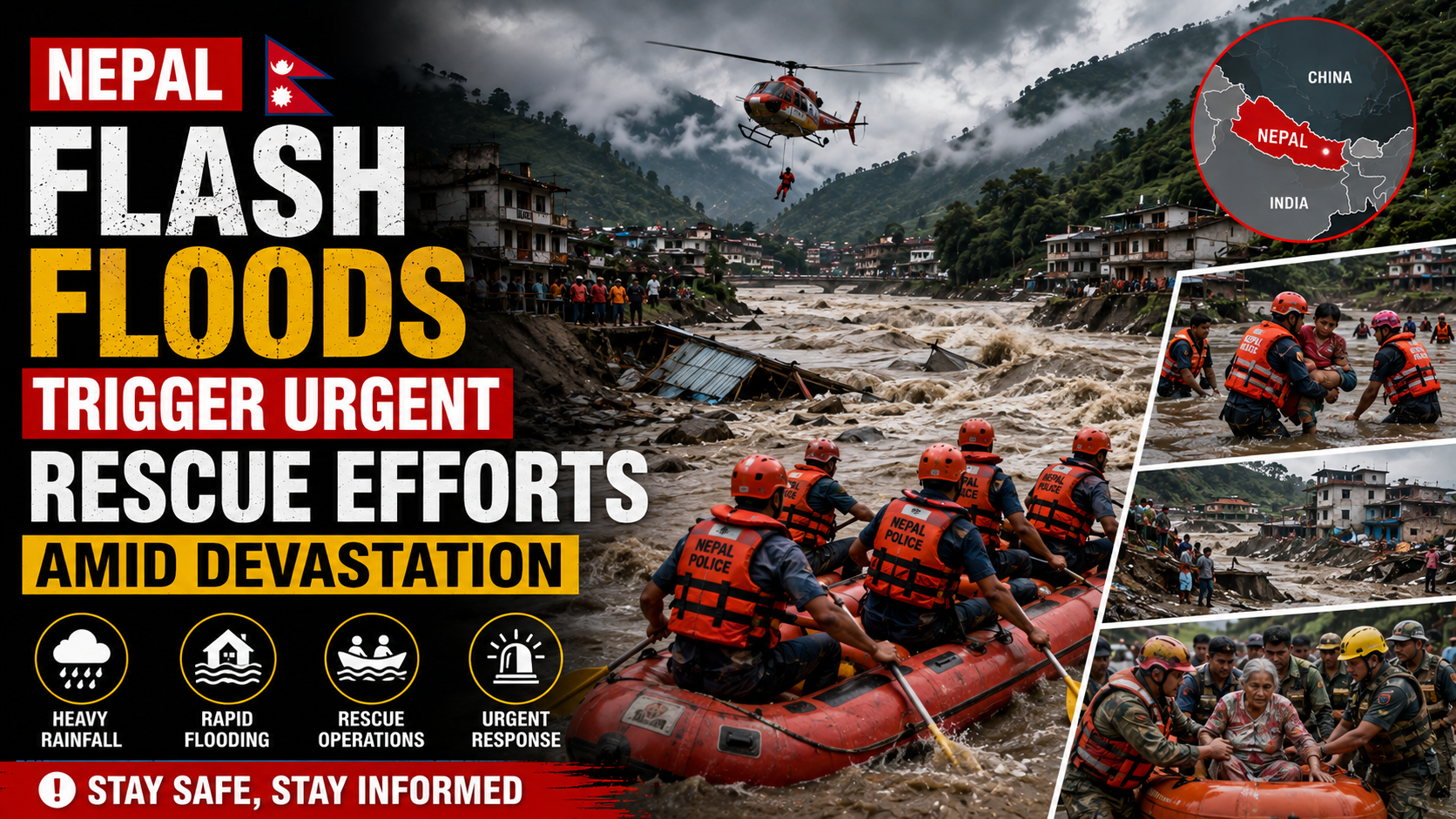
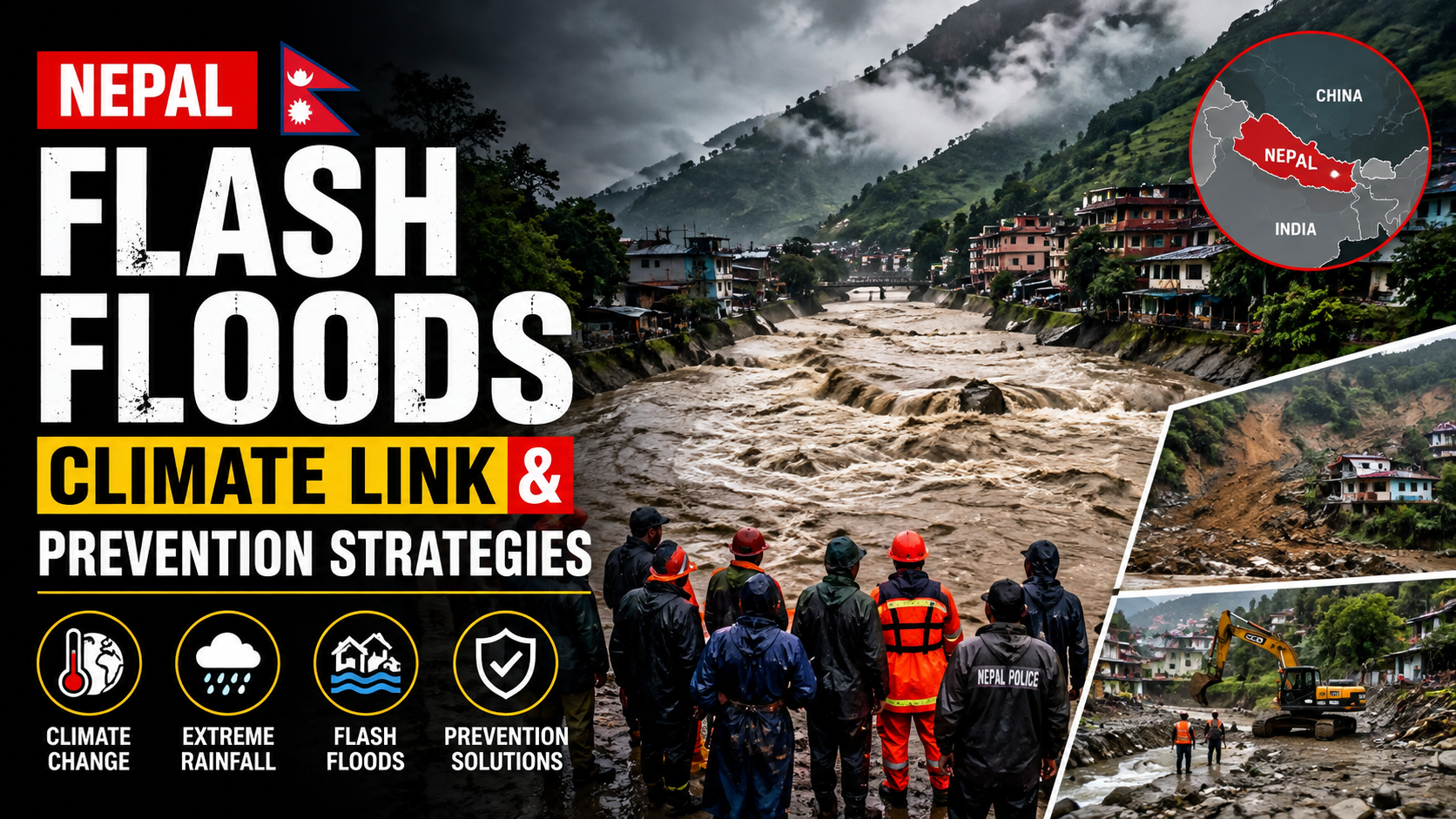
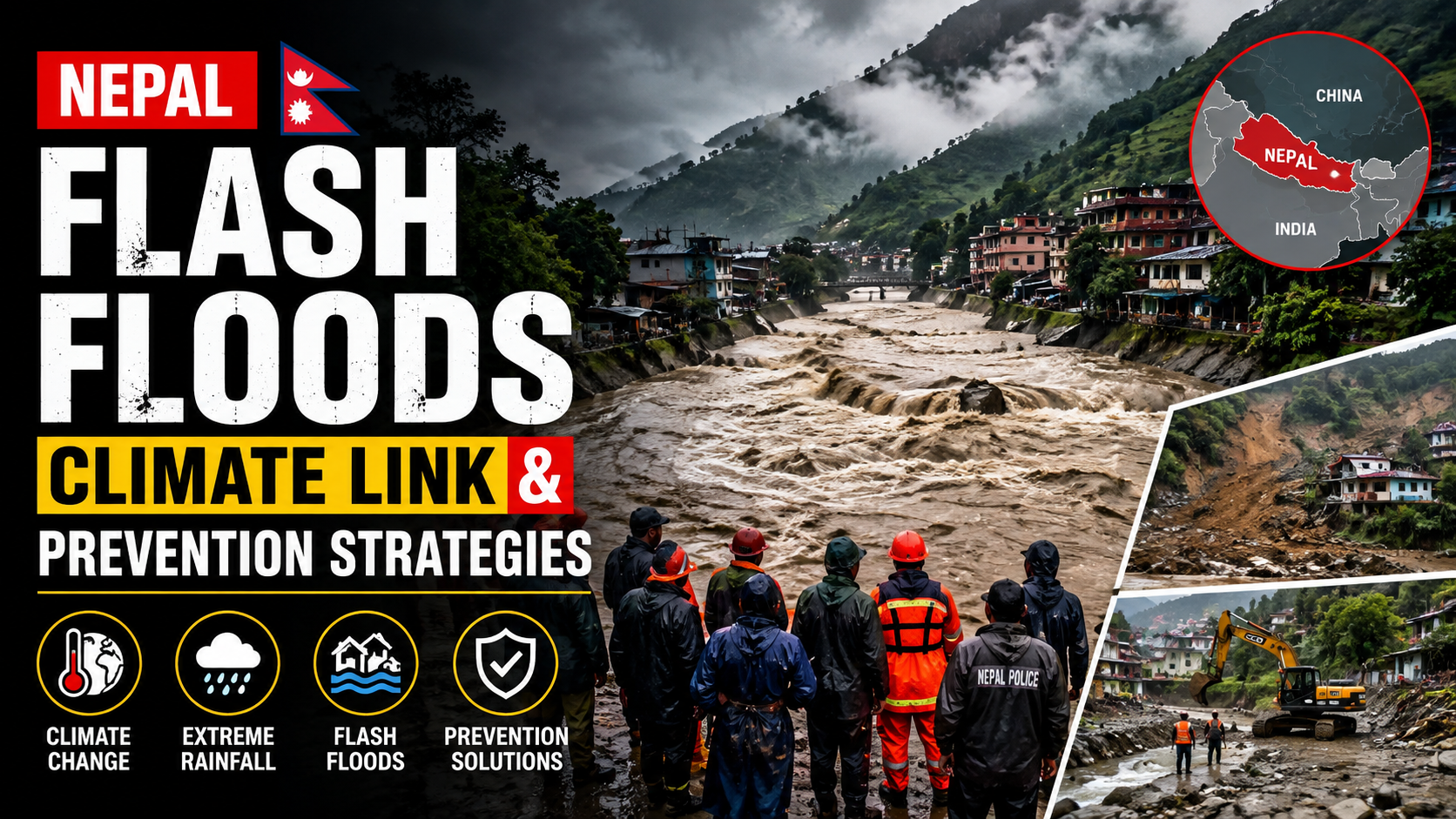
The increasing frequency and intensity of Nepal flash floods pose a critical and escalating challenge to the Himalayan nation. These sudden deluges demand urgent attention. They highlight both the underlying climate drivers and the implementation of robust prevention strategies. Often triggered by extreme monsoon rainfall, these events devastate communities. They disrupt livelihoods and strain the country's developing infrastructure. This highlights a pressing need for enhanced resilience in the face of a changing global climate. Understanding the dynamics of Nepal flash floods is essential for effective planning and mitigation.
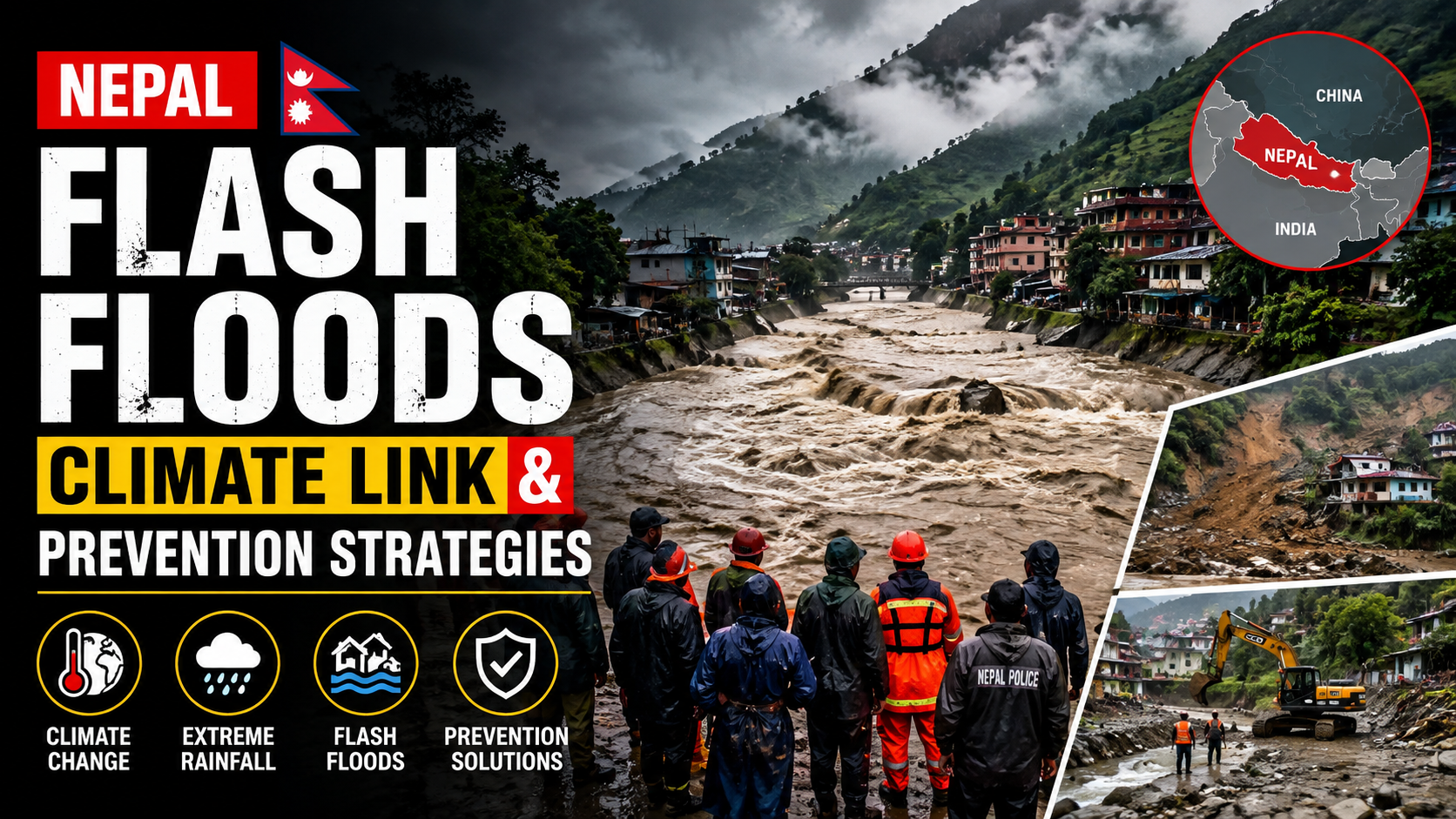
Understanding the Escalating Threat of Nepal Flash Floods
Nepal, a landlocked country, features diverse topography. It ranges from the towering Himalayas to the fertile Terai plains. This unique geography makes it inherently vulnerable to many natural hazards. Flash floods are among the most destructive. The nation's distinct physical features, combined with its annual monsoon dynamics, create conditions ripe for sudden and severe inundations. These conditions amplify the risk of Nepal flash floods across various regions.
Geographical Vulnerability and Monsoon Impact
Nepal's landscape contributes significantly to its flood susceptibility. Steep slopes, fragile geological structures, and numerous rivers originate from the Himalayas. These factors make the country highly prone to rapid water runoff. The primary rainy season, the Monsoon season Nepal, typically runs from June to September. It brings over 80% of the annual precipitation. While vital for agriculture, this concentrated rainfall can quickly overwhelm river systems. This is especially true in narrow valleys and downstream plains.
The topography means a heavy downpour in the upper reaches can translate into a devastating flash flood in lower-lying areas. This often happens within hours, with little warning. River basins such as the Koshi, Gandaki, and Karnali are particularly prone to these events. They impact millions of people who live along their banks. Moreover, human activities worsen this vulnerability. Deforestation reduces the land's capacity to absorb water. Unsustainable land-use practices and unplanned settlements in flood-prone zones further increase surface runoff. These human-induced factors amplify the natural risks, making the country even more susceptible to Nepal flash floods.
The Role of Climate Change in Intensifying Flood Events in Nepal
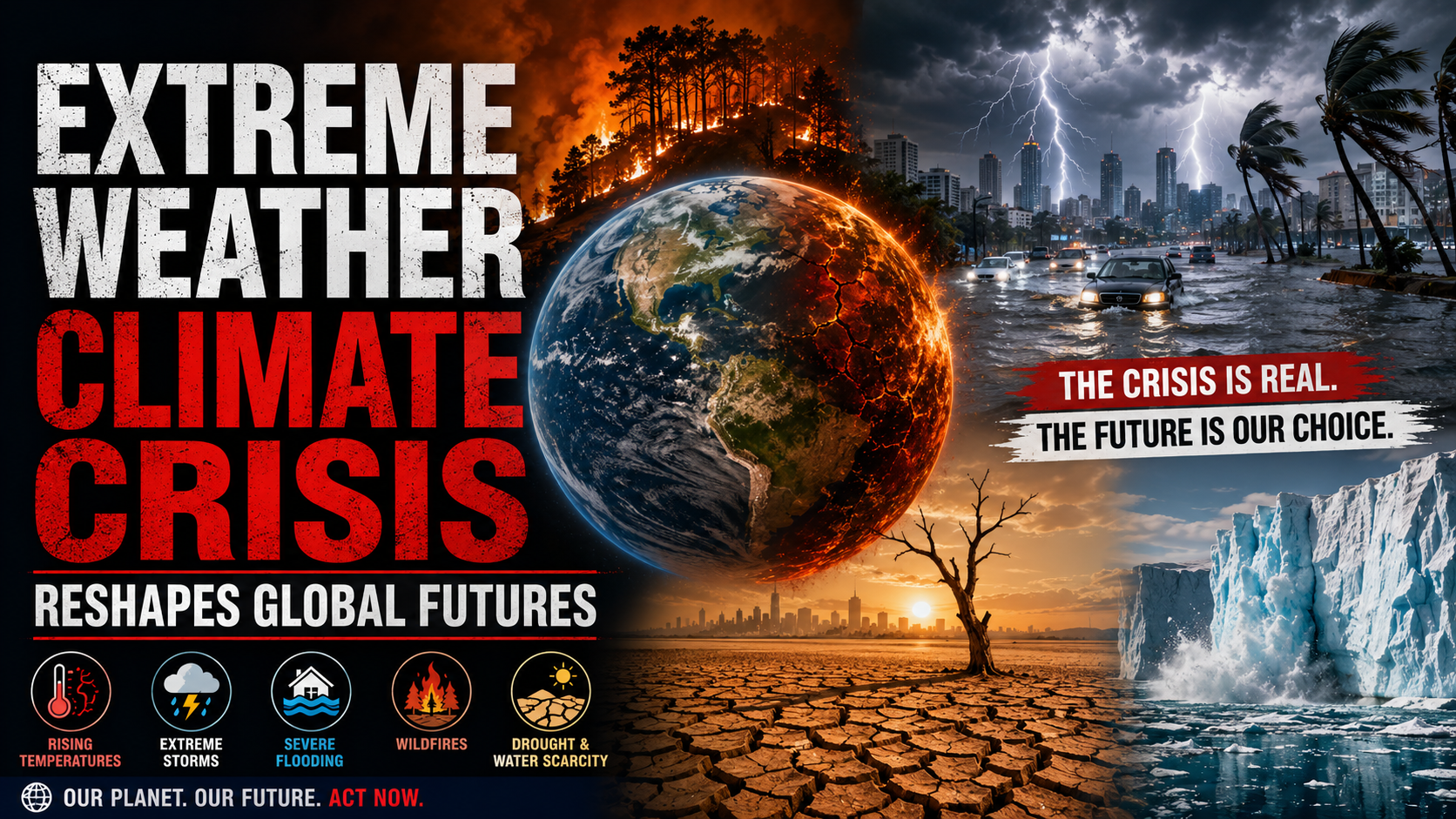
Scientific consensus increasingly points to climate change as a significant factor. It intensifies flood events in Nepal. Data from the Department of Hydrology and Meteorology (DHM) and various international climate research bodies indicate an increased frequency of extreme rainfall events. This means that while overall monsoon rainfall patterns might shift, the intensity of individual downpours is rising. This directly leads to more sudden and severe flooding. For instance, a study published in Nature Geoscience in 2023 highlighted findings. It showed that the Himalayan region floods are experiencing more concentrated heavy rainfall. This directly contributes to flash flood occurrences. These findings underscore the urgency of addressing Nepal flash floods.
Furthermore, the Himalayan region's susceptibility to GLOFs (Glacial Lake Outburst Floods) is a growing concern. Global warming exacerbates this risk. As glaciers melt at an accelerated rate, glacial lakes expand. New ones also form. These lakes are often dammed by unstable moraine barriers. These barriers can collapse under pressure from excessive meltwater, landslides, or seismic activity. This releases vast volumes of water downstream with catastrophic force. Events like the 2014 Seti River flash flood demonstrated the destructive power of sudden water releases from high altitudes, even if not a classic GLOF. As of early 2026, monitoring efforts for potentially dangerous glacial lakes, such as Imja Tsho and Tsho Rolpa, remain a high priority. Nepali authorities and international partners like the UNDP and ICIMOD are involved. Ongoing assessments indicate continued risk. Many travelers search for Nepal flash floods before booking, and for good reason. The potential for these events significantly impacts travel planning and safety considerations, underscoring the broader issue of extreme weather and climate crisis impacts.
Far-Reaching Impacts on Communities and Infrastructure
The consequences of flash floods in Nepal are profound and far-reaching. They affect human lives, livelihoods, and the very fabric of the nation's development. The suddenness and destructive power of these events leave little time for preparation. This often results in widespread devastation across affected regions. The impact of Nepal flash floods extends beyond immediate damage, creating long-term challenges.
Humanitarian Consequences and Displacement
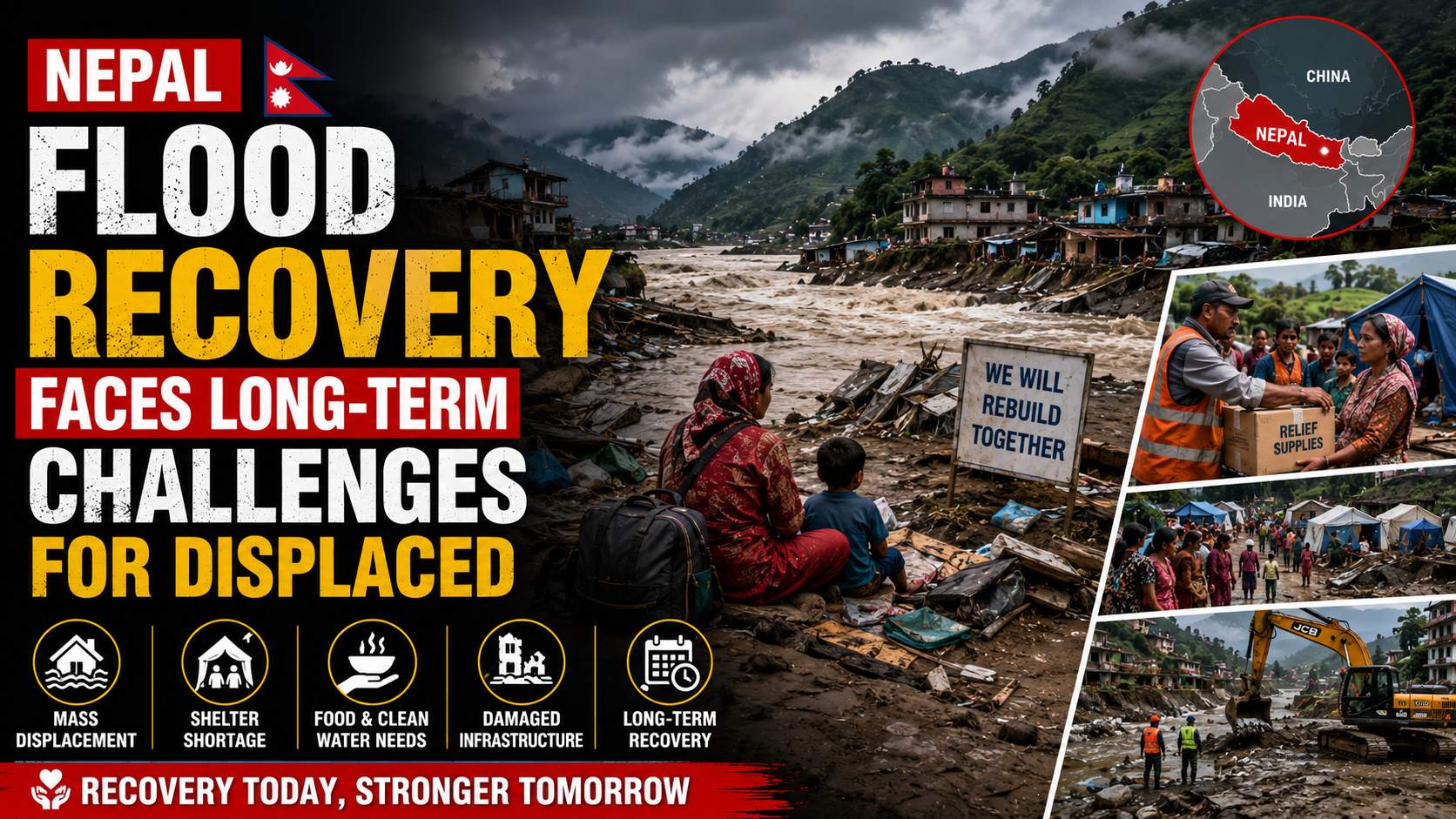
The most immediate and tragic impact of Nepal flash floods is the loss of lives and livelihoods. Each monsoon season, headlines report fatalities and disappearances. Vulnerable populations, including women, children, and the elderly, are disproportionately affected. Homes are swept away, leaving thousands displaced. They become reliant on emergency shelter and aid. For instance, the 2017 floods in the Terai region displaced over 100,000 people. They also claimed more than 150 lives, according to reports from the Nepal Red Cross Society. These figures highlight the severe humanitarian toll of Nepal flash floods.
These displacements are often prolonged. They lead to increased health risks, psychological trauma, and disruption of education for children.
Frequently Asked Questions
How many days do you actually need for Nepal flash floods?
It depends on your pace, but most travelers underestimate this — build in at least one buffer day so you're not rushing between stops or skipping things you'd actually enjoy.
What do people wish they'd known before doing Nepal flash floods?
The most common regret isn't about the destination itself but the planning — booking too rigidly, underestimating transit time, or not budgeting for the "small" extras that add up fast.
Is Nepal flash floods worth it if you're on a tight budget?
Yes, with the right approach — traveling slightly off-peak, mixing splurges with cheaper days, and booking key things early usually makes a bigger difference than cutting corners everywhere.
What's a mistake first-timers commonly make with Nepal flash floods?
Overplanning every hour and leaving no room to wander. Locals and repeat visitors consistently say some of the best moments happen off the itinerary.