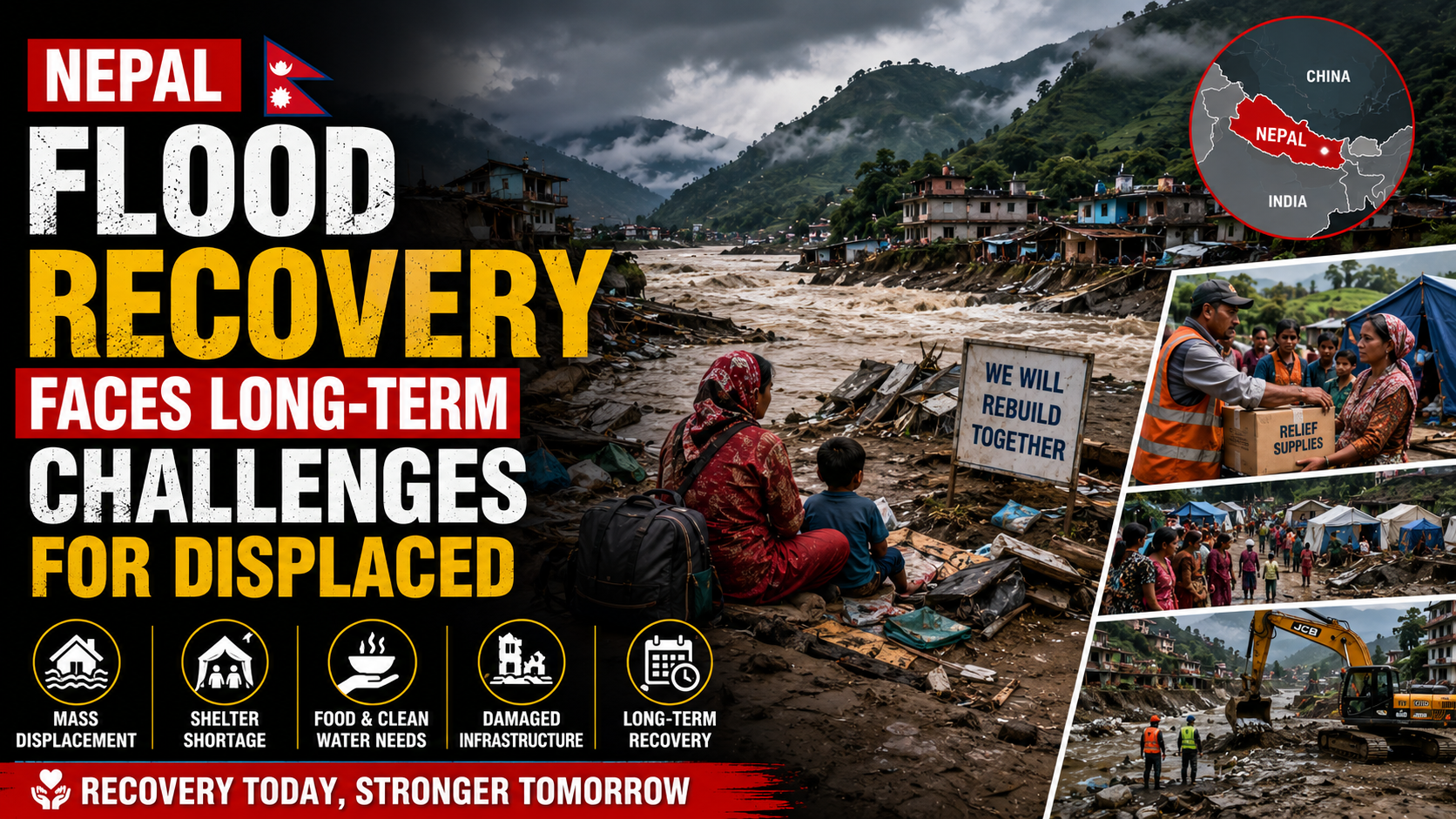
The ongoing Nepal flood recovery effort continues to highlight the profound long-term challenges faced by thousands of displaced individuals across the Himalayan nation. While immediate emergency relief often addresses urgent needs, the protracted struggle to secure permanent housing, restore livelihoods, and rebuild social fabric persists. This underscores the necessity for sustained national and international support. Communities strive to return to normalcy amidst the devastating aftermath of successive monsoon seasons. The journey towards comprehensive Nepal flood recovery is complex and demands a multi-faceted approach. Understanding the nuances of this recovery is crucial for anyone planning to visit or support the region. Keep Nepal flood recovery in mind as you plan each stop on this trip. Locals often mention Nepal flood recovery as one of the first things visitors should know.
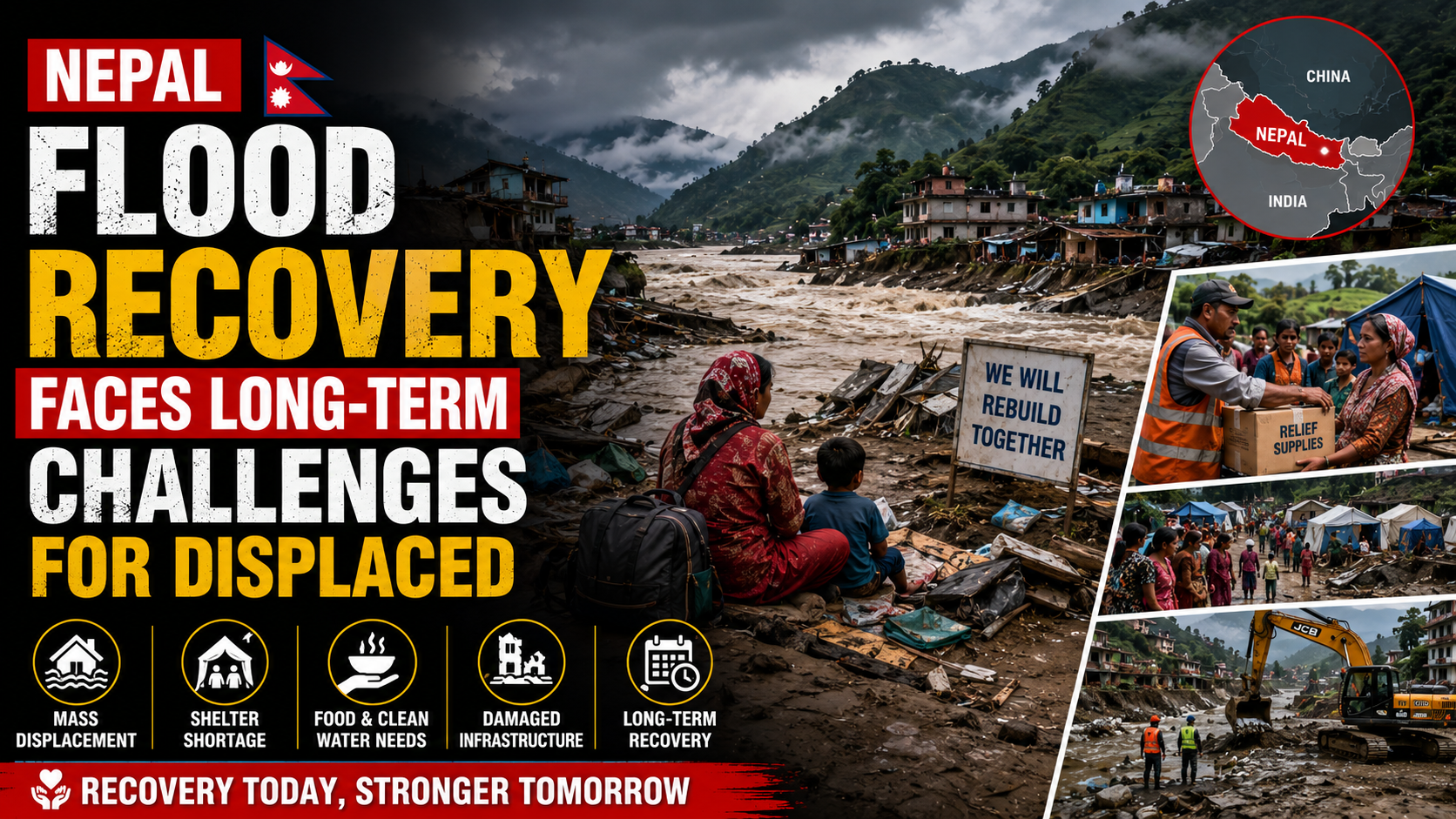
Enduring Challenges in Nepal's Flood Recovery Journey: Nepal Flood Recovery Tips
The aftermath of Nepal's annual monsoon floods consistently leaves a trail of destruction. Communities in vulnerable areas, particularly the Terai plains and mountainous regions, bear the brunt. The long-term challenges for victims extend far beyond the initial displacement. They impact every facet of their lives. Moreover, these challenges hinder the nation's broader development goals. As Nepal approaches 2026, the resilience of these communities will be tested. This occurs against the backdrop of increased climate variability and the complex, slow process of rebuilding. The country's vulnerability to extreme weather events is growing, a topic explored further in Extreme Weather Climate Crisis Reshapes Global Futures.
Housing and Resettlement Issues
One of the most pressing long-term challenges for displaced individuals is securing safe and permanent housing. Following the 2023 monsoon, an estimated tens of thousands of individuals were temporarily displaced. Many still live in makeshift shelters, schools, or with relatives as of early 2024. The specific challenges in rebuilding homes are multifaceted. Many homes were completely destroyed or rendered uninhabitable due to landslides and inundation. Therefore, entirely new construction is often required. In other cases, flood-damaged structures need extensive repairs. Most affected families, however, cannot afford these significant costs.
Land ownership disputes often complicate resettlement efforts. This is especially true for informal settlers or those whose land has been significantly altered by river course changes. Furthermore, selecting new, safer locations for resettlement is critical to prevent future displacement. Suitable land, however, is often scarce and expensive. The National Disaster Risk Reduction and Management Authority (NDRRMA) has initiated various housing support programs. Yet, the scale of the need frequently outstrips available resources. This leaves many families in limbo, struggling for a stable future and permanent shelter. The complexities of this situation highlight the profound impact on human lives.
Livelihood Restoration and Economic Impact
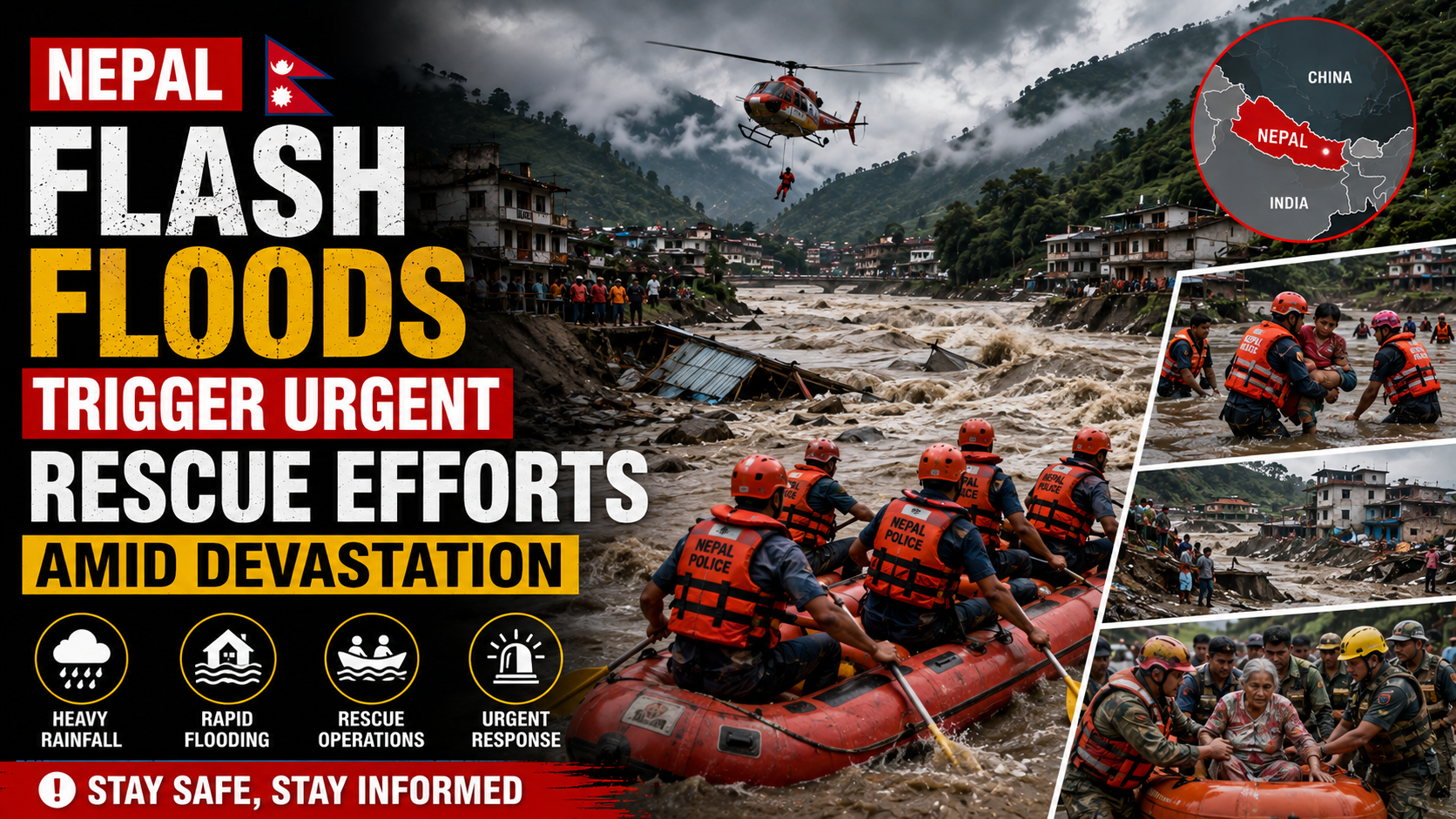
The economic impact on agriculture and tourism sectors is immense. These sectors form the backbone of Nepal's economy. Agriculture, particularly subsistence farming, provides the primary livelihood for a majority of flood-affected communities. Floods destroy standing crops, wash away fertile topsoil, and damage irrigation systems. This leads to severe food insecurity and loss of income for months, if not years. Livestock, a crucial asset for many rural families, is often lost. For example, in the Karnali Province during the 2023 monsoon, thousands of hectares of paddy fields were submerged. This directly impacted the food supply for countless households. The immediate aftermath of such events often triggers urgent rescue efforts, as detailed in Nepal Flash Floods Trigger Urgent Rescue Efforts Amid Devastation.
The tourism sector, especially adventure tourism reliant on trekking routes and rafting rivers, also suffers significantly. Damaged infrastructure like roads and bridges can cut off access to popular tourist destinations. This results in cancellations and a significant drop in revenue for local businesses, guides, and porters. The loss of income forces many to seek informal labor or migrate. They often move to urban centers or abroad, further destabilizing families and communities. Therefore, restoring sustainable livelihoods is a critical component of effective Nepal flood recovery. Without robust economic opportunities, communities struggle to rebuild their lives and secure a stable future.
Health and Sanitation Concerns Post-Flooding
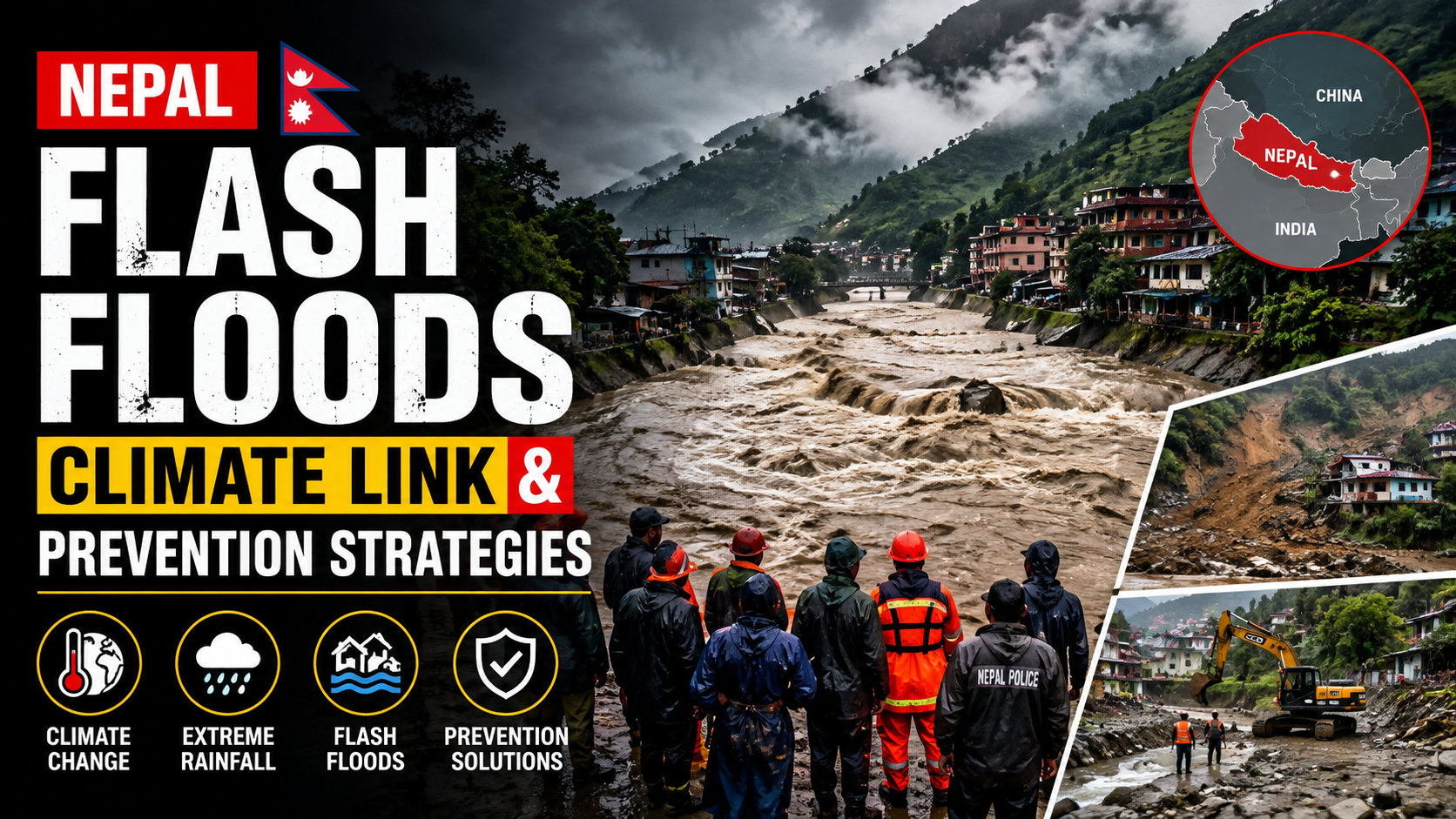
The aftermath of floods significantly heightens health and sanitation concerns. Contaminated water sources due to inundated wells and damaged water supply systems lead to an increased risk of waterborne diseases. These include cholera, typhoid, and dysentery. The lack of proper sanitation facilities in temporary shelters exacerbates these risks, particularly for women and children. Stagnant water creates breeding grounds for mosquitoes. This leads to outbreaks of vector-borne diseases like dengue and malaria. The link between climate and such events is further explored in Nepal Flash Floods: Climate Link & Prevention Strategies.
Access to healthcare facilities can also be severely disrupted. Roads might be damaged, or health posts themselves could be inundated. The number of displaced individuals living in close quarters often strains existing health services. This makes it challenging to prevent the rapid spread of infectious diseases. Malnutrition rates can also rise due to food scarcity and poor hygiene. This is particularly true among children, compounding the health crisis. Therefore, robust health interventions are indispensable for comprehensive Nepal flood recovery. Many travelers search for information on this topic before booking, and for good reason. Locals often mention health and safety as key considerations for visitors. Many travelers search for Nepal flood recovery before booking, and for good reason.
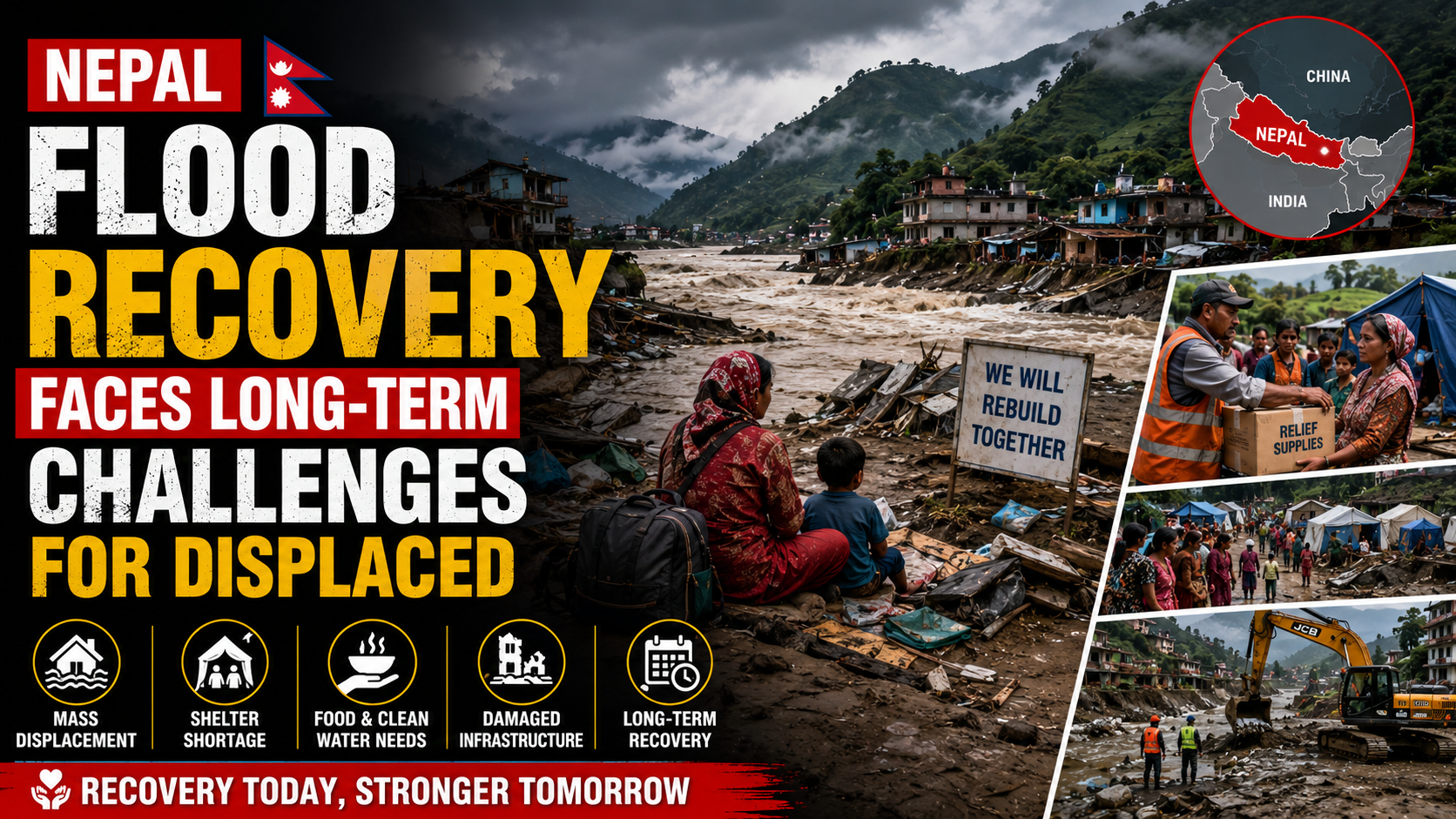
Community Resilience and Support Systems for Nepal Flood Recovery
Displaced communities in Nepal often demonstrate remarkable resilience. They develop various coping strategies to navigate the challenging post-disaster environment. These strategies encompass self-help initiatives, reliance on governmental support, and the critical need for psychosocial assistance. Effective Nepal flood recovery hinges on a blend of these approaches.
Community-Led Initiatives
In the absence of immediate external aid, or to supplement it, communities frequently mobilize their own resources and knowledge. Examples of local self-help groups include women's cooperatives in the Terai region. These groups organize collective clean-up efforts, pooling labor and resources to clear debris and repair homes. Youth groups often take the lead in rebuilding temporary bridges or clearing blocked pathways. Communities in Sindhupalchok, frequently affected by landslides and floods, have established local disaster management committees. These committees maintain small emergency funds and pre-position essential supplies.
These groups often leverage traditional knowledge of their local environment. They identify safer areas for temporary shelters or implement localized early warning systems. This grassroots approach not only provides immediate relief but also fosters a sense of collective ownership and empowerment among affected populations. Furthermore, it strengthens social cohesion, which is vital for long-term rebuilding efforts. These local initiatives are the bedrock of sustainable recovery.
Governmental Support Programs
The Government of Nepal, primarily through the NDRRMA and local municipal bodies, implements various support programs. These include emergency food rations, non-food items (tents, blankets, cooking utensils), and cash assistance for immediate needs. The government also plays a role in identifying safe resettlement sites. It provides material support for housing reconstruction, although this process can be slow. For instance, the government has allocated funds for victims to rebuild homes in specific disaster-prone areas. This often provides a fixed sum to supplement individual efforts.
Challenges in aid distribution often include logistical difficulties in reaching remote areas, bureaucratic hurdles, and ensuring equitable access for all affected populations, particularly marginalized groups. As of 2026, improved coordination between federal, provincial, and local governments is a key focus. This aims to enhance the efficiency and reach of these programs. Thus, governmental support forms a crucial pillar of the overall Nepal flood recovery framework. Continuous improvement in these systems is vital for future resilience.
Psychosocial Support Needs
Beyond physical and material losses, the emotional and psychological toll of displacement and loss is profound. Mental health support provisions are crucial but often overlooked in initial disaster responses. Many individuals, particularly children and the elderly, experience trauma, anxiety, depression, and post-traumatic stress disorder (PTSD). This stems from witnessing destruction, losing loved ones, or facing prolonged uncertainty. Organizations like Transcultural Psychosocial Organization (TPO) Nepal and the Nepal Red Cross Society, often with international support, provide psychosocial counseling. This is exactly the kind of detail that makes understanding Nepal flood recovery worth the extra planning. Addressing these invisible wounds is just as important as rebuilding homes. This is exactly the kind of detail that makes Nepal flood recovery worth the extra planning.
Frequently Asked Questions
How does Nepal's flood recovery status impact travel planning or specific trekking routes?
Travelers should always check the latest local advisories before planning a trip, especially to regions prone to monsoon flooding or landslides. While major tourist hubs like Kathmandu and Pokhara are generally unaffected, remote trekking routes, particularly in areas like Langtang, Annapurna, or Everest regions during or immediately after monsoon, might experience damaged trails, washed-out bridges, or accessibility issues. Always consult local tour operators or official government sources for up-to-date information on specific routes and their current conditions.
What specific safety precautions should travelers take when visiting flood-affected regions of Nepal?
If visiting areas recovering from floods, prioritize personal safety. Ensure your accommodation is on stable ground. Drink only bottled or purified water to avoid waterborne diseases. Carry hand sanitizer and maintain good personal hygiene. Be aware of potential landslides, especially on mountain roads. Listen to local advice and avoid crossing swollen rivers or damaged infrastructure. Consider travel insurance that covers emergency evacuations.
How can travelers best support Nepal's flood recovery efforts during their visit?
Travelers can support recovery by choosing ethical tour operators and local businesses that employ affected community members. Purchase local goods and services to inject money directly into the local economy. Consider donating to reputable NGOs working on long-term recovery, ensuring your contributions reach those most in need. Avoid "voluntourism" without proper vetting; instead, focus on responsible tourism that empowers local communities.
Are there specific areas in Nepal where flood recovery efforts are complete, making them safer for immediate travel?
Recovery is an ongoing process, and "complete" is a strong word. However, many areas, particularly major cities and well-established tourist circuits, recover quickly from localized impacts. Regions like the Terai plains, however, face recurrent annual flooding, making long-term recovery a continuous challenge. Always check specific regional reports. Generally, higher altitude trekking regions might recover faster from trail damage, but road access can remain an issue. Whether you're a first-timer or returning, Nepal flood recovery remains a smart thing to research.